 Knygos.lt nariams
 Knygos.lt nariams
- Išsiųsime per 7–14 d.d.

/images/books/15543690/333a476838865333dd64ad083c2bd9c6.png)
/images/books/15543690/b6b66954ccef053182c1a352fe0700be.jpg)
/images/books/15543690/c0b417f6a416cec4a80fb321976f4c7f.jpg)
/images/books/15543690/38c901d63e88f7238d6f77535a03c098.jpg)
/images/books/15543690/eac45b5e473d2ffeb8af0b455517e52c.jpg)
/images/books/15543690/2df493fc80ab749bf834ca787d0464dc.jpg)

- Autorius: Steven Heller
- Leidėjas: Taschen
- Metai: 2022
- Puslapiai: 640
- ISBN-10: 3836588609
- ISBN-13: 9783836588607
- Formatas: 25.5 x 19.6 x 4.5 cm, kieti viršeliai
- Kalba: Anglų, Vokiečių, Prancūzų
Atsiliepimai
Aprašymas
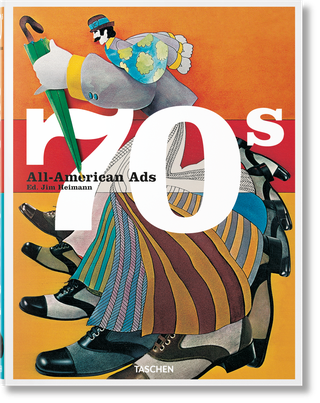
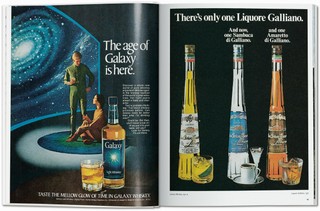
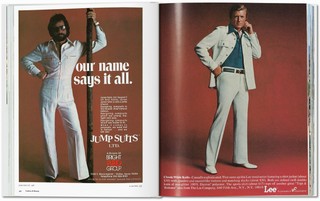
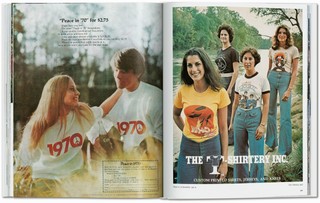
Both eclipsed and influenced by television, American print ads of the 1970s departed from the bold, graphic forms and subtle messages that were typical of their sixties counterparts. More literal, more in-your-face, 70s ads sought to capture the attention of a public accustomed to blaring, to-the-point TV commercials.
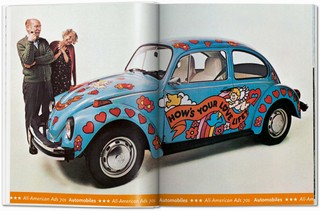
All was not lost, though; as ads are a sign of the times, racial and ecological awareness crept into everything from cigarette to car advertisements, reminding Americans that everyday products were hip to the modern age. In an attempt to discover how best to communicate with a mass audience, marketing specialists studied focus groups with furious determination, thus producing such dumbed-down gems as "sisters are different from brothers," the slogan used for an African-American hair product. By the end of the decade, however, print ads had begun to recoup, gaining in originality and creativity as they focused on target audiences through carefully chosen placement in smaller publications.
A fascinating study of mass culture dissemination in a post-hippie, television-obsessed nation, this weighty volume delivers an exhaustive and nostalgic overview of 70s advertising.


- Autorius: Steven Heller
- Leidėjas: Taschen
- Metai: 2022
- Puslapiai: 640
- ISBN-10: 3836588609
- ISBN-13: 9783836588607
- Formatas: 25.5 x 19.6 x 4.5 cm, kieti viršeliai
- Kalba: Anglų, Vokiečių, Prancūzų
Both eclipsed and influenced by television, American print ads of the 1970s departed from the bold, graphic forms and subtle messages that were typical of their sixties counterparts. More literal, more in-your-face, 70s ads sought to capture the attention of a public accustomed to blaring, to-the-point TV commercials.
All was not lost, though; as ads are a sign of the times, racial and ecological awareness crept into everything from cigarette to car advertisements, reminding Americans that everyday products were hip to the modern age. In an attempt to discover how best to communicate with a mass audience, marketing specialists studied focus groups with furious determination, thus producing such dumbed-down gems as "sisters are different from brothers," the slogan used for an African-American hair product. By the end of the decade, however, print ads had begun to recoup, gaining in originality and creativity as they focused on target audiences through carefully chosen placement in smaller publications.
A fascinating study of mass culture dissemination in a post-hippie, television-obsessed nation, this weighty volume delivers an exhaustive and nostalgic overview of 70s advertising.
Atsiliepimai